
Design System Services for Consistent Digital Products
A design system gives every team one source of truth for colors, type, components, and guidelines. Products look and work the same, and designers stop rebuilding what already exists.
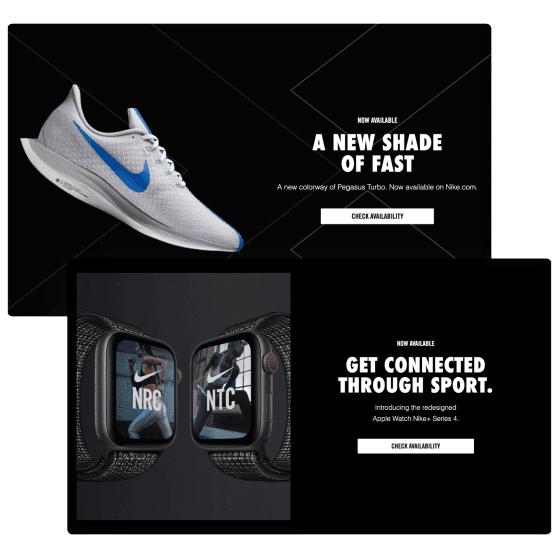
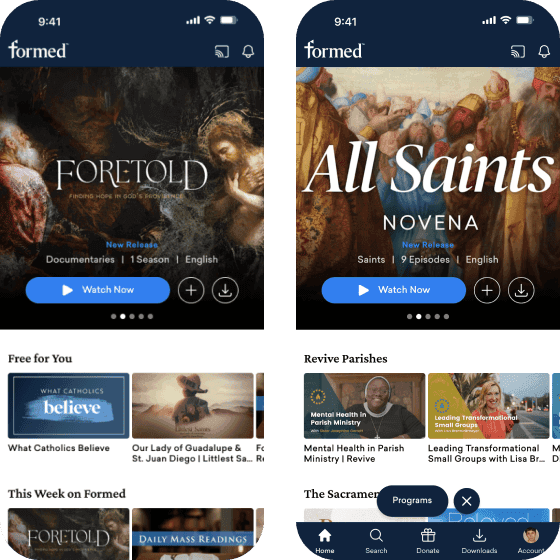
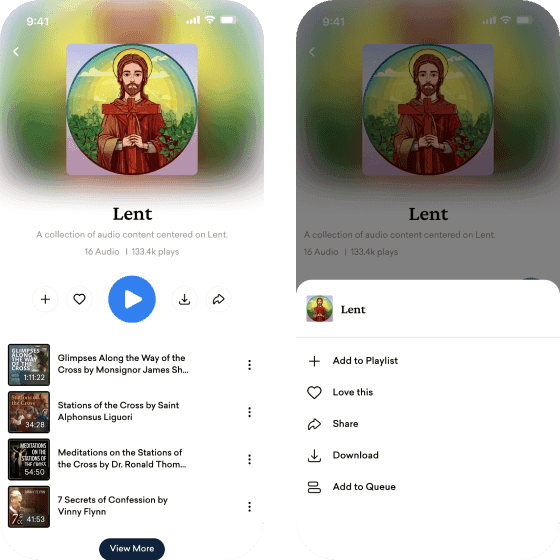
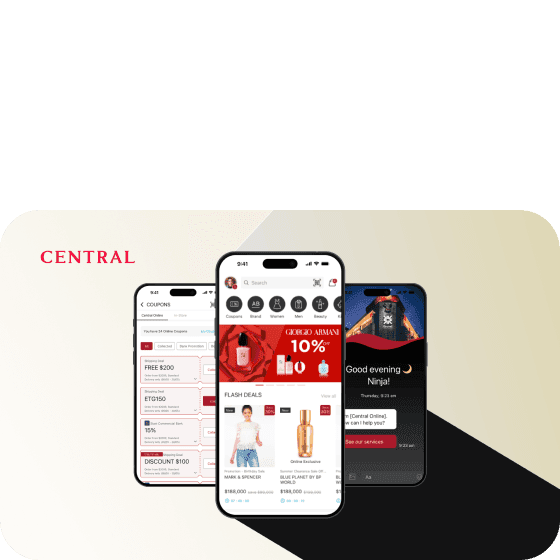

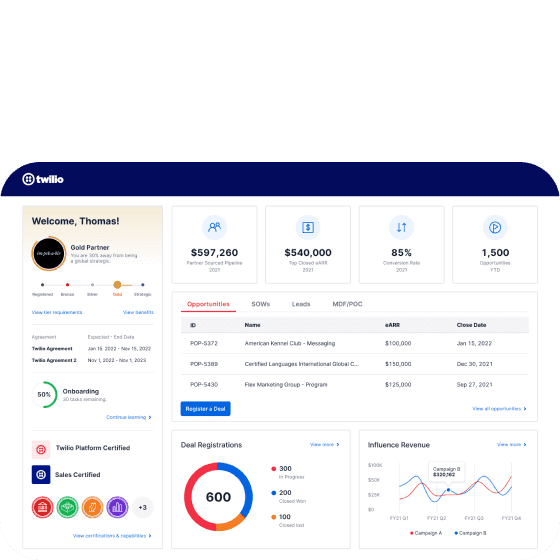
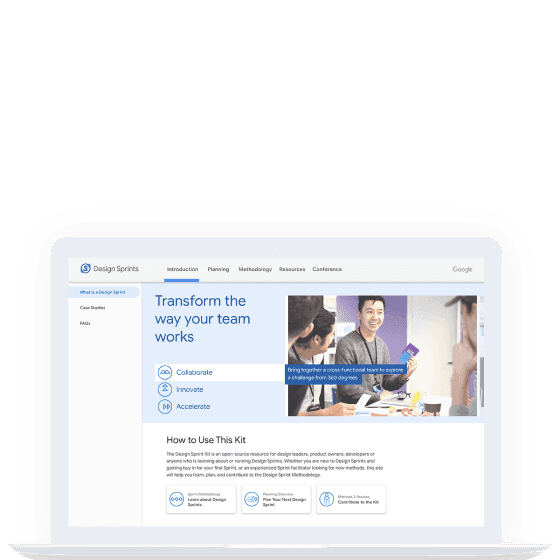
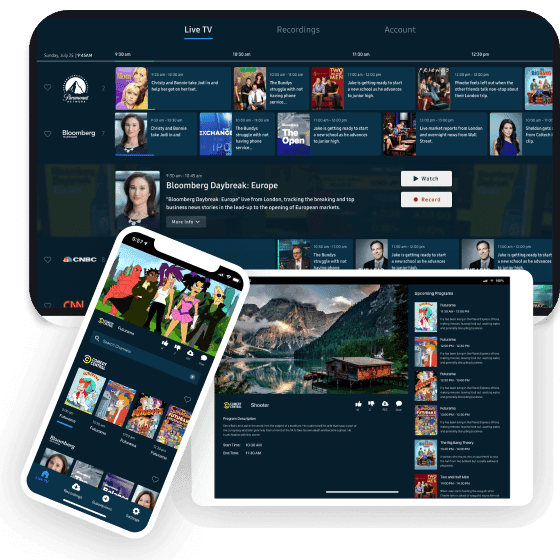
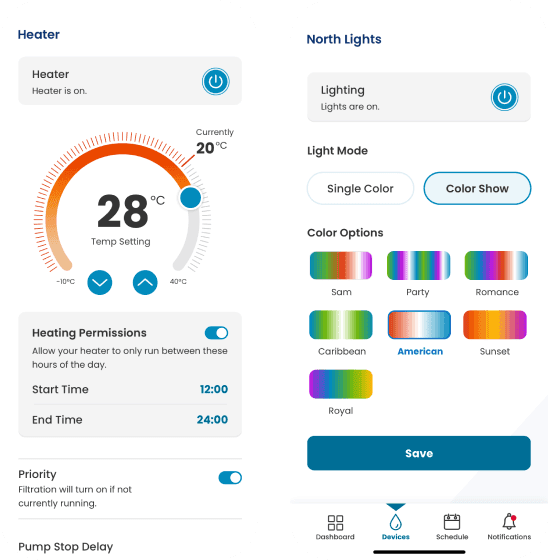
Where Leading Brands Turn for AI, Digital Product, and Software Expertise












Who Needs a Design System?
Design systems save measurable time. In a Sparkbox experiment, developers using the IBM Carbon design system finished a task in 47% less time than those building without one. Figma reports that design systems improve designer efficiency by an average of 34%.
A design system fits teams that:
• Have disorganized files or inconsistent designs across products
• Run several products or brands and need shared standards
• Want design updates to reach developers immediately
• Are switching design tools and need to keep their existing UI elements
What is it: A shared library of reusable UI components, tokens, and guidelines that keeps a product consistent across every screen and team. Impekable often builds a coded component library too, so it actually speeds up work rather than sitting as documentation.
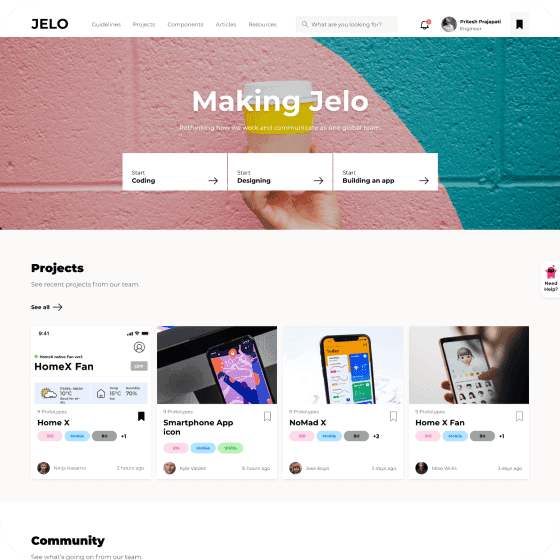
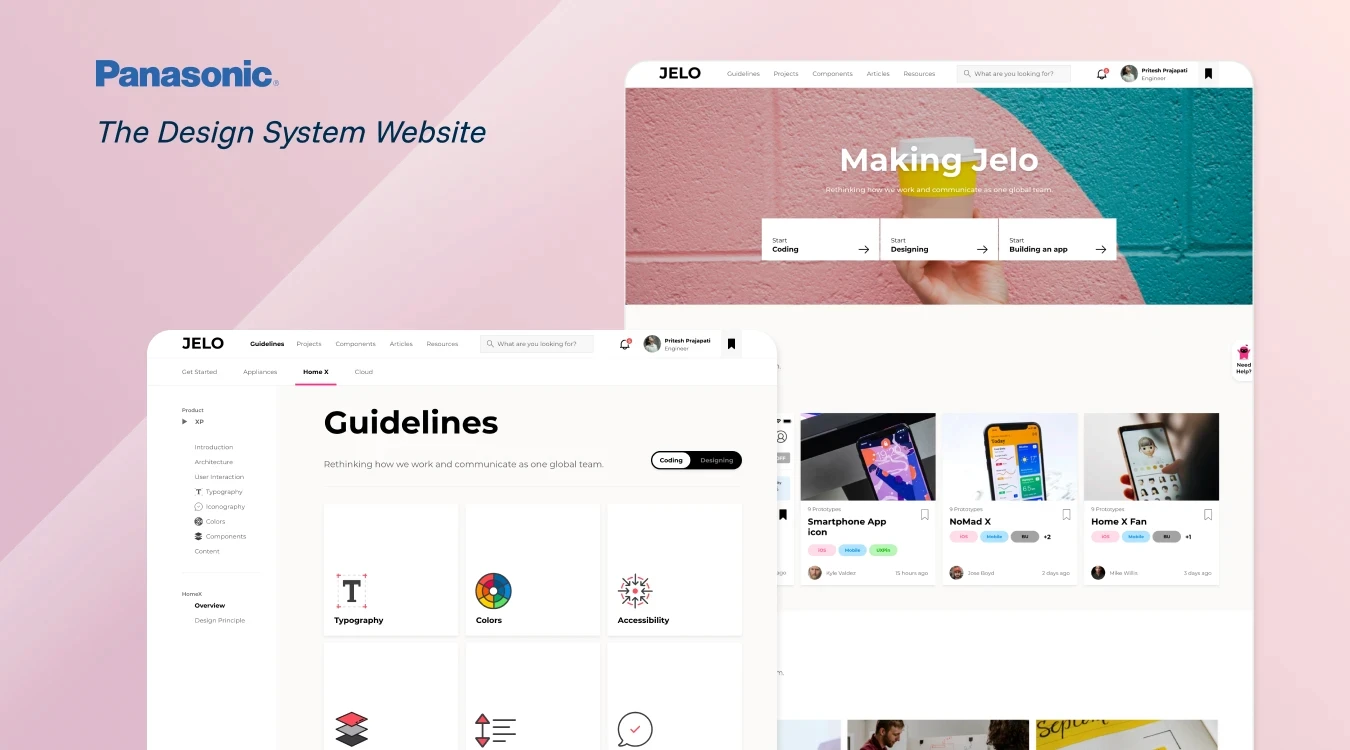
Why it matters: Without one, every designer/engineer makes independent decisions, fragmenting the experience and slowing every new feature. Impekable’s work on Panasonic’s JELO system shows how much a shared foundation speeds up future work company-wide.



What is a Design System?
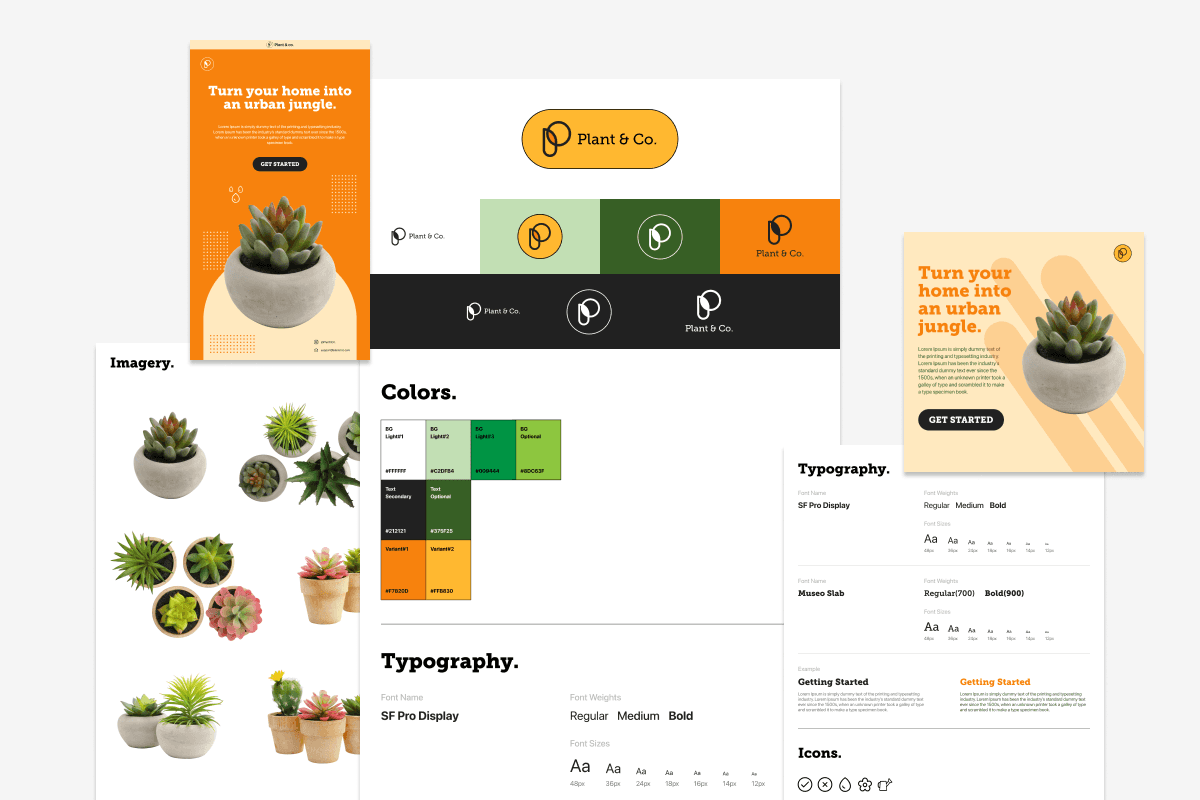
Design systems provide a usable, centralized, and ever-evolving kit of colors, typefaces, interface components, templates, and usage guidelines that are driven by brand standards and that can be used across all of a company’s digital products.
In this way, design systems are living, breathing documents whose concepts and elements serve as a ‘North Star’ for all of your design work.
Maintaining a design system enables your design teams to save time and resources when building and refining design flows and high-fidelity designs.
Why are Design Systems Important?
As a design system company, we get a first-hand look at all of the different ways design systems benefit companies.
Design systems are time-savers: With a well-executed design system, there’s no more searching for missing files or wondering whether a design choice is compliant with brand style guidelines. Everything that’s needed to execute mockups and other design assets quickly is located in one place.
Design systems drive consistency: Especially for organizations with multiple applications, properties, or subsidiary brands, codifying aesthetic preferences in a design system ensures consistent execution across all components.
Design systems create process efficiency: Having a design system in place reduces the number of individual approvals that must be sought for individual design assets. This can free stakeholders up to focus on higher-priority projects.
Our Process as a Design Systems Agency
All of our design system services are bespoke for our clients. So although our process typically includes the following steps, your specific engagement may vary depending on your unique use case.
Understand Current Design
Review existing products, files, and how teams work today.
Audit and Recommend
Catalog every color, type style, and component. Organize them using Atomic Design, which builds interfaces from small parts (atoms) into larger ones (molecules, organisms, templates, pages).
Maintain Over Time.
Consolidate duplicates, fix inconsistencies, and build the shared component library.
Long-Term Maintenance
Train teams and provide ongoing support so the system keeps up with the product.
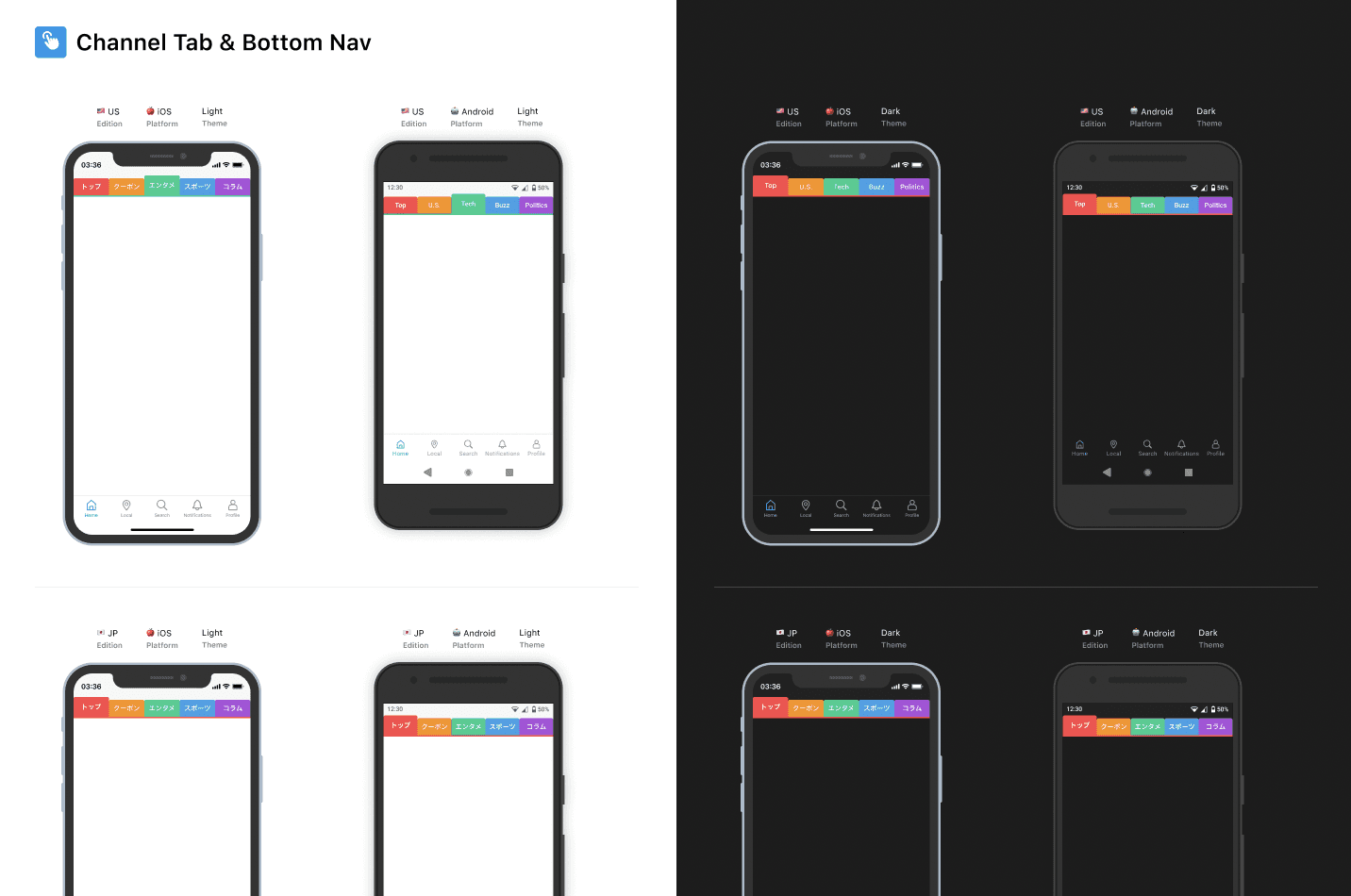
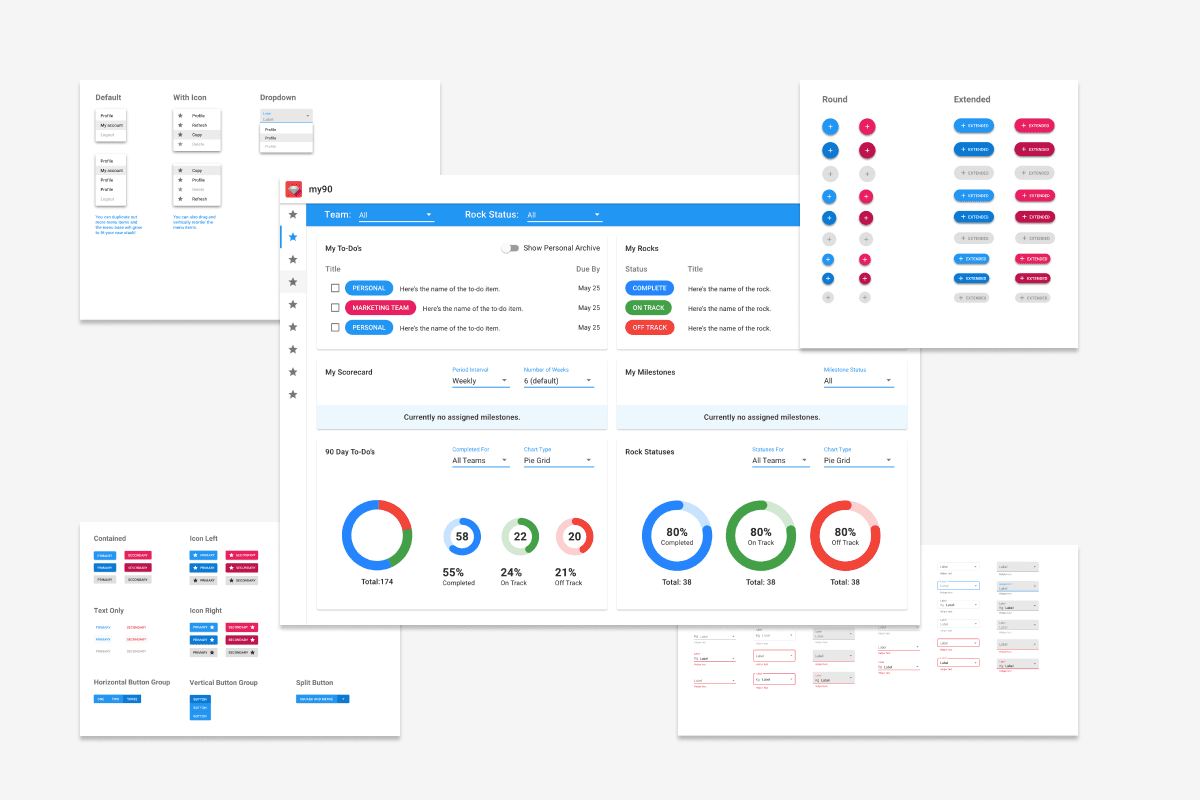
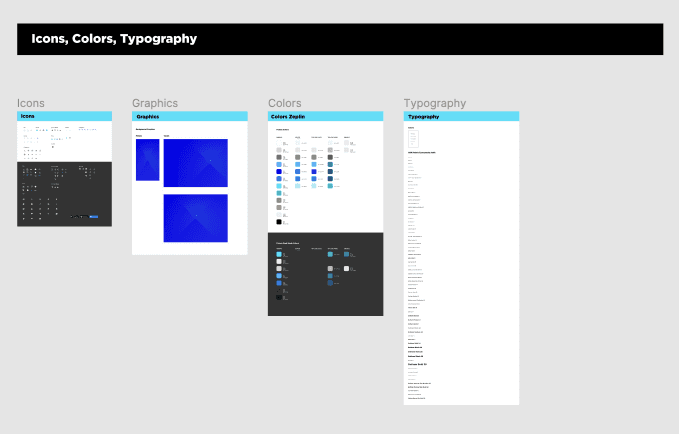
Our Featured Design System Services Projects
Related Services
Additional services to help you build, scale, and optimize.
Testimonials
Hear from Our Design System Services Customers
Featured Case Studies
Discover actionable strategies and expert perspectives on digital transformation, product development, and enterprise technology.
Frequently Asked Questions (FAQ)
Everything you need to know about our service